Sustainable Solutions: How E-Waste Recycling Services Are Saving Our Planet
E-waste poses significant threats to the environment, as disposed electronics frequently harbor hazardous substances. Such dangerous compounds can pollute soil and water supplies, causing extensive damage to surrounding ecosystems. E-waste recycling services present a viable solution. They serve the dual purpose of reclaiming precious materials and reducing contamination. Comprehending the operation of these services and their influence on communities is of great importance. The journey towards effective e-waste management raises critical questions about individual responsibility and collective action. What actions should be considered going forward?
How E-Waste Is Hurting the Planet
Although technological advancements improve our daily lives, e-waste creates significant environmental threats. Abandoned electronic gadgets, frequently composed of toxic substances including cadmium, lead, and mercury, may release harmful substances into soil and groundwater, creating hazards for human health and ecosystems. The swift progression of technology leads to increased consumer turnover of electronics, exacerbating the accumulation of e-waste.
Landfills, already burdened with waste, struggle to accommodate the growing volumes of discarded gadgets. Incineration, a common waste management technique, emits dangerous pollutants into the environment, degrading atmospheric conditions. In addition, improper recycling practices can lead to the exportation of e-waste to developing countries, where laborers may dismantle devices without adequate safety measures, exposing themselves to dangerous substances. This ongoing cycle of carelessness and inadequate management emphasizes the pressing necessity for responsible recycling initiatives that can lessen the harmful consequences of e-waste on our world.
Understanding E-Waste and Its Significance
E-waste, also referred to as electronic waste, comprises unwanted electronic equipment like televisions, computers, and smartphones that have reached the end of their useful life. This increasingly prevalent form of waste is important owing to its accelerating volume, fueled by innovation in technology and shifting consumer habits. As growing numbers of electronics become outdated, the toll on the environment grows more severe, with dangerous elements including lead, mercury, and cadmium presenting serious hazards to the environment and human well-being.
The importance of addressing e-waste lies not only in mitigating these hazards but also in recognizing the valuable materials it contains. Precious metals and rare earth elements can be recovered and reused, reducing the need for mining and conserving natural resources. With a thorough understanding of e-waste and its impact, people and organizations alike can make educated decisions about disposal and recycling, helping to build a more sustainable world. Effective handling of e-waste is vital for encouraging a circular economy and advancing environmental responsibility.
How E-Waste Recycling Works
Recycling e-waste involves a structured approach intended to extract beneficial components while reducing harm to the environment. To begin, electronic waste is Begin here gathered and delivered to dedicated processing centers. After reaching the facility, the devices undergo thorough sorting to separate hazardous components from recyclable materials.
Following this, technicians take apart the electronics, extracting metals, plastics, and glass. This stage is crucial, as it facilitates the reclamation of high-value metals like gold, silver, and copper, which may be utilized in new electronic products.
Next, the sorted materials are processed using state-of-the-art techniques, such as shredding and chemical treatments, to purify them for reuse.
Finally, the leftover dangerous materials are managed properly, adhering to environmental guidelines. This systematic method not only preserves valuable resources but also minimizes the hazards associated with irresponsible electronic waste disposal, guaranteeing a greener future for the consumption of electronics.
The Benefits of E-Waste Recycling for You and Your Community
Though many people are unaware, the benefits of e-waste recycling extend beyond personal convenience to positively impact entire communities. By carefully processing electronic waste, individuals contribute to a cleaner environment, decreasing hazardous materials that can contaminate soil and water. This responsible method helps preserve local ecosystems and supports public health.
Additionally, e-waste recycling promotes employment opportunities within local communities. Local recycling facilities often require personnel for numerous tasks, including collection and processing, consequently creating meaningful employment for community members. This not only stimulates the local economy but also inspires community dedication to sustainable efforts.
Furthermore, familiarity with e-waste recycling is capable of inspiring learning opportunities, equipping residents to pursue greener alternatives. By engaging with e-waste recycling programs, individuals foster a culture of sustainability, prompting others to embrace similar practices. Ultimately, the collective impact of these actions can contribute to a more robust and eco-friendly community.
How to Select an E-Waste Recycling Service
Picking the right e-waste recycling service is crucial for ensuring that e-waste is processed in a responsible and sustainable manner. Initially, consumers should confirm the provider's credentials, such as R2 and e-Stewards certifications, which indicate adherence to established benchmarks for responsible recycling methods. Additionally, it is advisable to evaluate the provider's credibility by reviewing feedback and obtaining recommendations from trusted sources.
Moreover, transparency in the recycling process is vital. A trustworthy service should supply straightforward details about the manner in which e-waste is managed and what becomes of the materials. Moreover, evaluating the range of services offered can be beneficial; some companies may provide pickup services or offer incentives for recycling.
Finally, familiarizing yourself with area-specific requirements for e-waste disposal can further guide the choice of disposal method. When these considerations are given priority, people are able to support effective e-waste management while supporting sustainable environmental efforts.
How You Can Take Part in E-Waste Recycling?
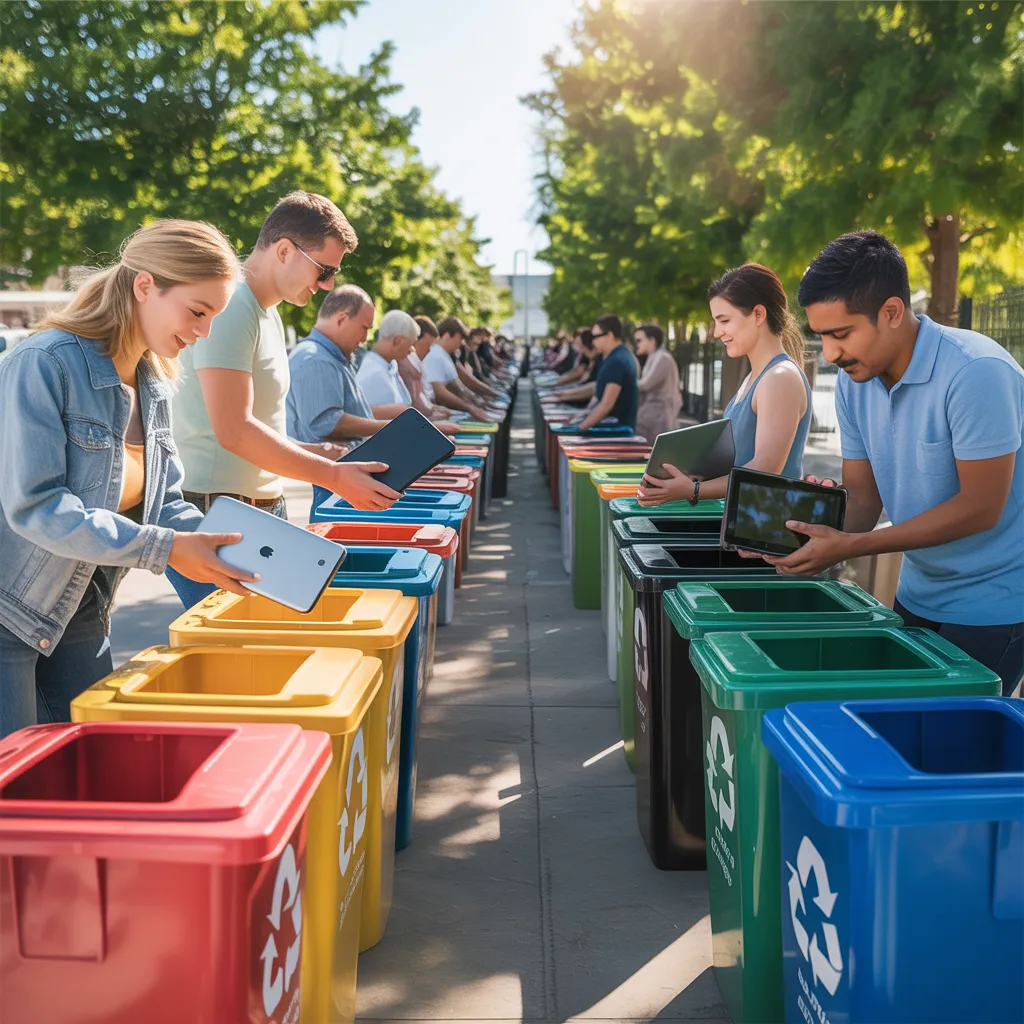
Getting involved with e-waste recycling often starts at the local level, where recycling centers frequently offer essential services for responsible disposal. Additionally, participating in community awareness campaigns can amplify efforts to raise awareness about the importance of proper e-waste handling. These actions not only advance environmental sustainability but also build a collective sense of accountability for the environment.
Nearby Recycling Facilities
Many regional recycling hubs play an essential role in recycling electronic waste, giving communities practical solutions to discard electronic waste in an eco-friendly way. These stations receive a selection of electronic devices, including old computers, smartphones, and televisions, guaranteeing that dangerous substances are processed safely. Many hubs feature qualified professionals who can guide individuals on proper disposal methods, underscoring the benefits of recycling compared to landfilling. Furthermore, several stations organize planned drop-off gatherings or set collection days, enabling residents to engage without difficulty. By utilizing these local services, community members advance a circular economy, lowering environmental harm and encouraging sustainable habits. Engaging with these centers allows communities to address e-waste pollution proactively.
Community Outreach Campaigns
Nearby organizations, schools, and enterprises can collaborate to host events that promote e-waste collection drives. Community members can serve a critical function in spreading awareness, distributing educational materials, and engaging with the community. By means of these joint initiatives, local inhabitants gain greater awareness and encouragement to properly recycle their e-waste, thereby helping to build a greener and more sustainable tomorrow.
Frequently Asked Questions
What Electronic Devices Are Eligible for Recycling?
Many different electronics can be recycled, including laptops, televisions, smartphones, printers, computers, and gaming consoles. Furthermore, accessories such as keyboards, mice, and batteries are also suitable for recycling, aiding in sustainable environmental practices.
Are There Fees Involved With E-Waste Recycling?
Yes, e-waste disposal can include fees, based on the service provider. Some facilities charge fees for collection or processing, while some providers make services available at no charge, often subsidized by the proceeds from salvaged materials.
How Can Businesses Benefit From E-Waste Recycling?
Businesses can benefit from e-waste recycling by reducing disposal costs, enhancing their environmental image, complying with regulations, reclaiming useful materials, and potentially generating revenue through resale, thereby fostering a more environmentally responsible business approach.
What Becomes of Data on Recycled Devices?
Information on refurbished equipment is frequently permanently erased or obliterated during processing. This guarantees confidential data is kept safe, blocking unwanted intrusion while enabling resources to be recycled safely and responsibly within new applications.
Are Broken Electronics Eligible for Recycling?
Yes, broken electronics may be recycled. Several collection points accept damaged devices, ensuring responsible disposal and recovery of valuable materials. Doing so helps reduce harm to the environment while fostering sustainable recycling habits to control electronic waste effectively.